Perimenopause, Hot Flashes, and Fluid Balance
How night sweats and hormonal shifts change midlife hydration needs, why mornings matter, and what to do about skin and mucosal dryness.
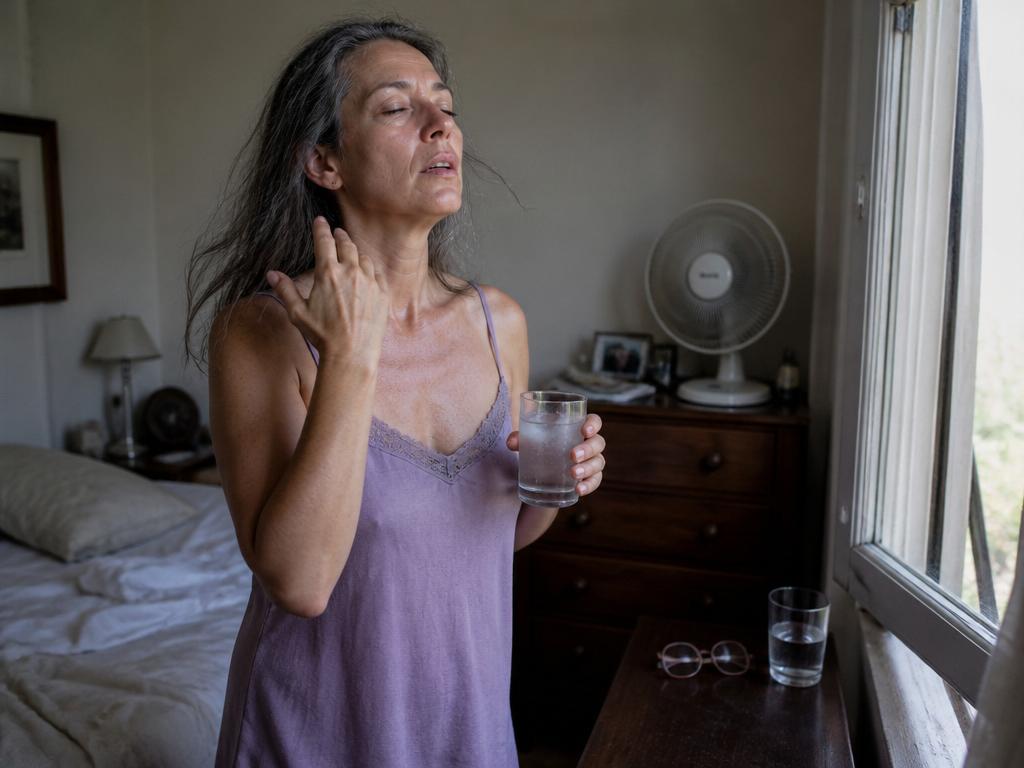
Perimenopause rewrites a lot of the rules your body has run on for decades, and hydration is quietly one of them. Between hot flashes, night sweats, and shifting hormones, midlife can leave you losing more fluid and feeling drier than you used to — often without an obvious reason why.
Sweat losses from hot flashes
Hot flashes and night sweats are among the most recognisable features of the menopausal transition, and they are, at heart, episodes of heat and sweating. Each flash that leaves your skin flushed and damp represents fluid your body has shed — and over a day full of them, those losses add up in a way that is easy to underestimate.
A few things to keep in mind:
- Frequency varies enormously. Some women have occasional flashes; others have many a day. The more you have, the more fluid you are losing to them.
- It is real fluid loss, not just discomfort. Sweat is water plus some electrolytes, so frequent flashing nudges your hydration needs up.
- Heat makes it worse. Warm rooms, hot drinks, and summer can both trigger flashes and compound the sweating.
None of this means you should drink to a rigid quota. It means staying aware that your losses may be higher than they were a few years ago, and meeting them with steady fluids across the day rather than waiting until you feel parched.
Sleep, sweat, and morning rehydration
Night sweats deserve their own mention, because they hit while you are least able to respond. You cannot drink in your sleep, so a night of soaking sweats can leave you waking up genuinely behind on fluid — sometimes with a headache, dry mouth, or that wrung-out, foggy feeling.
A gentle morning-focused approach helps:
- Rehydrate early. A glass or two of water on waking helps replace what the night took, especially after a sweaty one.
- Keep water by the bed. Even small sips during a wakeful, flushed night chip away at the deficit.
- Notice the pattern. If your worst dehydration days follow your worst night-sweat nights, that connection is worth respecting with extra fluids the next day.
- Mind the evening triggers. For some women, alcohol, caffeine late in the day, or a hot bedroom intensify night sweats — worth experimenting with.
Sleep and hydration feed each other here. Poor, sweat-broken sleep leaves you depleted, and dehydration can make you feel worse the next day, so tending to one tends to help the other.
Skin and mucosal dryness in midlife
Beyond sweat, the hormonal shifts of perimenopause — especially declining estrogen — are associated with a broader sense of dryness for many women: skin that feels less plump, eyes that feel grittier, and dryness of other mucosal tissues, including vaginal dryness, which is extremely common and entirely worth talking about plainly.
It is important to be honest about what hydration can and cannot do here:
- Drinking water supports overall hydration, which matters for how skin and tissues feel, but it is not a cure for hormonally driven dryness.
- Much of midlife dryness is about estrogen, not fluid intake. No amount of water fully reverses changes that are hormonal in origin.
- This is squarely clinician territory. Vaginal dryness, persistent eye dryness, and skin changes in perimenopause have real, effective options worth discussing with your own clinician — who can address causes that water simply cannot.
So drink well because it supports your whole body, but do not expect hydration alone to solve dryness that has hormones behind it. The most useful move is often a frank conversation with a professional rather than another litre of water.
The bottom line
Perimenopause can raise your fluid needs through hot flashes and night sweats while also bringing a hormonally driven dryness that water alone cannot fix. Stay steadily hydrated across the day, lean into morning rehydration after sweaty nights, and keep water close at hand. But treat the bigger midlife changes — vaginal dryness, persistent dryness, disruptive flashes — as reasons to talk to your own clinician, who has tools beyond what your water bottle can offer.