Staying Hydrated Through First-Trimester Morning Sickness
Sip strategies that actually work when nausea hits, how cold vs. room-temperature preferences vary, and the signs it has tipped into dehydration that needs care.
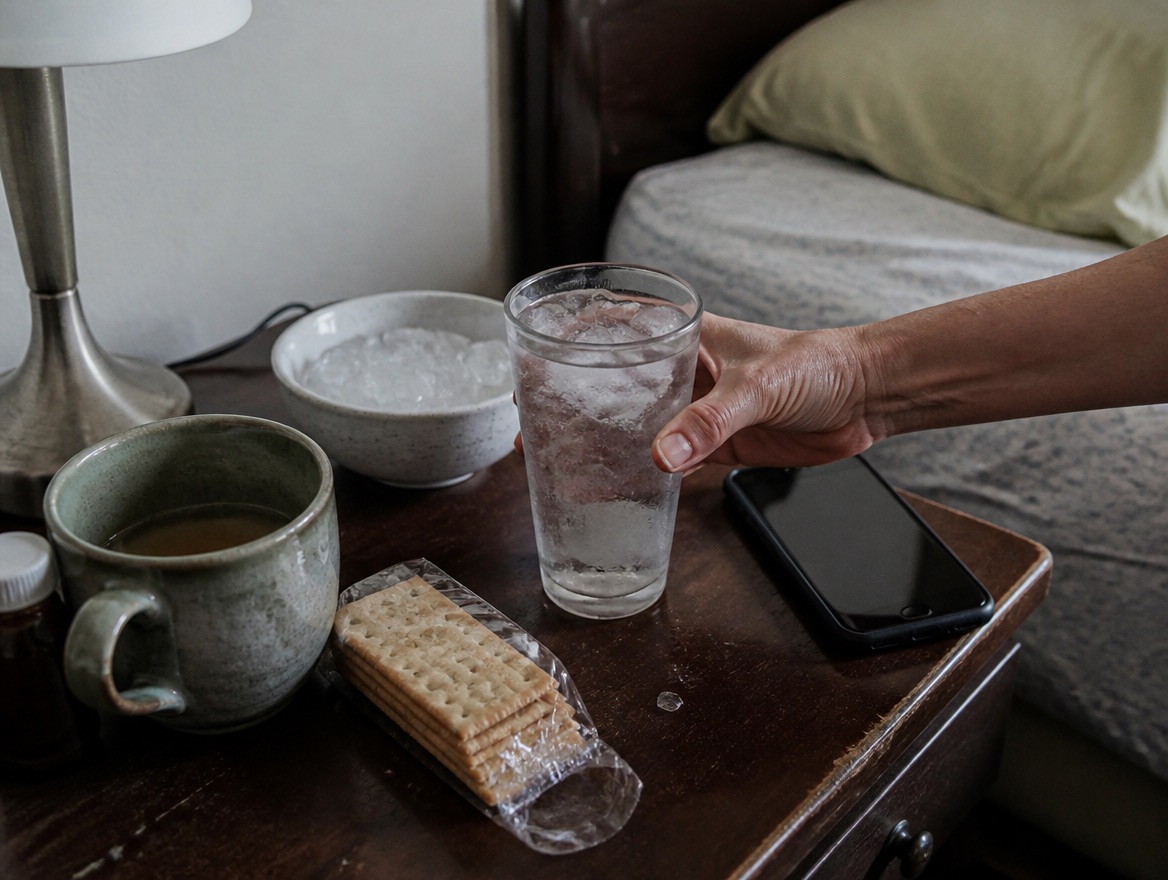
Morning sickness is one of pregnancy’s crueler ironies: the nausea that makes you never want to see water again is happening precisely when your body needs fluids most. If drinking has become a small daily battle, you are not doing it wrong — and there are gentler ways through it.
Why hydration gets hard — and why it still matters
First-trimester nausea (which, despite the name, respects no time of day) can make even plain water feel like too much. Some people find that a full glass sits heavily and triggers the very queasiness they were trying to settle. Others gag on the smell of certain drinks or find their usual coffee suddenly unbearable.
The problem is that vomiting and reduced intake both pull fluid out of the equation, and dehydration tends to make nausea worse — a loop that is easy to slip into and harder to climb out of. Staying reasonably topped up won’t cure morning sickness, but it can keep a rough day from spiraling into a genuinely unwell one.
So the goal for these weeks is modest and practical: get fluids in by whatever route your body will tolerate, in whatever form feels least offensive, without forcing volume you can’t hold down.
Small, frequent sips beat big glasses
The single most useful shift is to stop thinking in glasses and start thinking in sips. A large volume all at once stretches the stomach and is far more likely to come back up. Small amounts, taken often, are gentler and add up.
A few tactics people find genuinely helpful:
- Sip little and often. A mouthful every ten or fifteen minutes through the day accumulates into real hydration without overwhelming your stomach at any one moment.
- Drink between meals, not with them. Filling your stomach with food and fluid at the same time can worsen nausea for many people. Try keeping drinks to the gaps instead.
- Use a straw or a small cup. Both make it easier to take modest amounts and can help you look away from a volume that feels daunting.
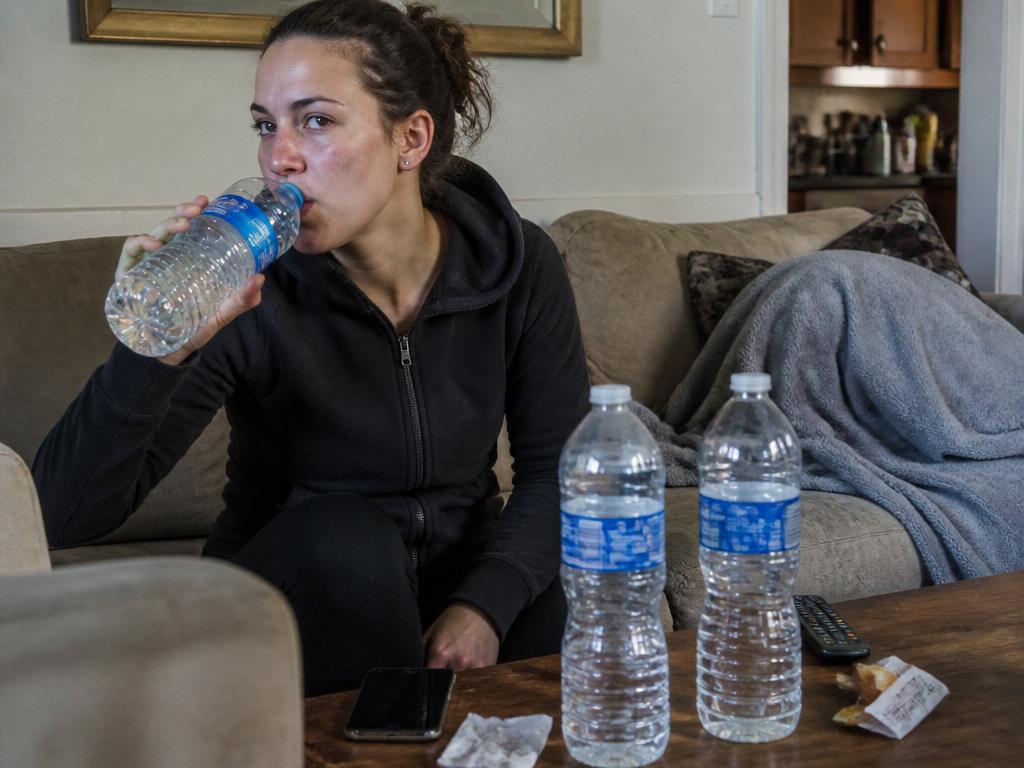
- Keep water within reach. A bottle by the bed for the moment you wake, and one wherever you spend the day, removes the friction of having to fetch it when you feel awful.
If liquids are genuinely impossible for a stretch, remember that fluid doesn’t only come from a glass.
When drinking is too much: ice, popsicles, and food-based fluid
On the worst days, the trick is to make hydration feel less like drinking. Cold, slow-melting formats give you fluid in a form the stomach barely notices.
- Ice chips melt slowly and let you take in water almost imperceptibly — a good option when a cup feels like too much commitment.
- Popsicles and ice lollies do the same job and can double as something to look forward to; fruit-based ones add a little flavor and sugar for energy.
- Water-rich foods count too. Watermelon, cucumber, oranges, broth, and soups all contribute fluid, and sometimes a cold slice of melon goes down when a drink simply won’t.
None of this has to be elegant. If crushed ice and half a popsicle are what stays down today, that is a perfectly good hydration day.
Cold, room-temperature, or fizzy: it’s personal
There is no universal “right” temperature — and this is one area where trusting your own body genuinely matters. Preferences vary a lot from person to person and even day to day.
- Cold drinks feel refreshing and less “smellable” for many, which helps if aromas are a trigger.
- Room-temperature water sits more easily for others, who find very cold liquid a shock to a queasy stomach.
- Fizzy water or flat ginger ale helps some people settle; the light carbonation can feel soothing, though for others bubbles do the opposite.
- A squeeze of lemon or a touch of flavor can make water tolerable when plain water has become the enemy.
Experiment without judgment. What worked last week may not work today, and that is normal.
Ginger, electrolytes, and a note on balance
Ginger — as tea, in flat ginger ale, or as candied pieces — is a long-standing home remedy that many people find eases nausea. It’s food-based and gentle, and worth a try, though it isn’t a cure and won’t suit everyone.
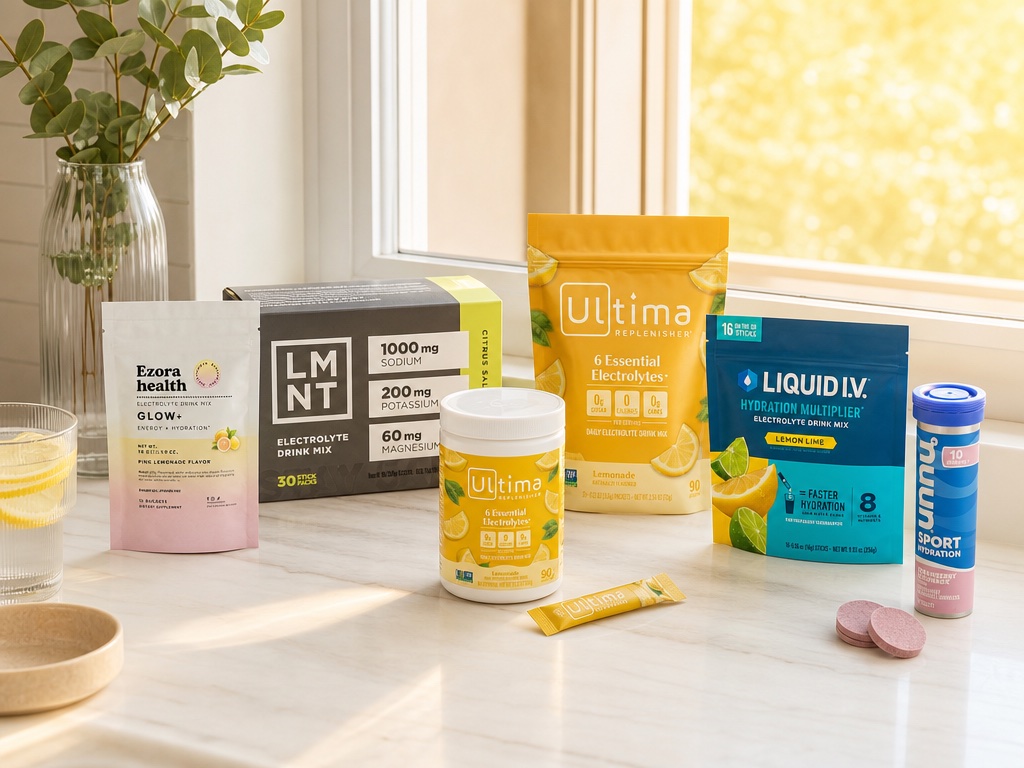
If you’ve been losing fluids to vomiting, plain water alone doesn’t replace the salts you lose. An oral rehydration solution or a balanced electrolyte drink can help here. Because pregnancy is a moment to be a little more careful about what you take in, it’s worth a quick word with your OB or midwife about which product and how much makes sense for you, rather than reaching for the strongest sports drink on the shelf.
When nausea has tipped into dehydration — call your clinician
This is the part that matters most. Morning sickness is common and usually manageable at home, but it can cross into dehydration or hyperemesis gravidarum — severe, persistent vomiting — which needs medical care. Contact your OB, midwife, or doctor promptly if you notice:
- Very dark urine, or not urinating for many hours.
- Feeling dizzy, lightheaded, or faint, especially on standing.
- Being unable to keep any fluid down for 24 hours — or sooner if you also feel unwell or your symptoms are worsening.
- A racing or pounding heartbeat.
- Weight loss, or vomiting that is frequent and relentless rather than occasional.
These are not signs to push through or wait out. Dehydration in pregnancy can be treated — sometimes simply with anti-nausea medication or IV fluids — and getting help early is the kind thing to do for both of you. If you’re ever unsure, err toward calling. That’s exactly what your care team is there for.
The bottom line
Through first-trimester nausea, aim for small, frequent sips, drink between meals rather than with them, and lean on ice chips, popsicles, and water-rich foods when a glass is too much. Follow your own preference on cold, room-temperature, or fizzy, and consider ginger or a balanced electrolyte drink after vomiting. But if urine turns very dark, fluids won’t stay down for a day, or you feel faint or your heart races, contact your OB or midwife promptly — that’s dehydration or hyperemesis territory, and it’s treatable when caught early.