Do You Need Electrolytes for a One-Hour Workout?
When plain water genuinely covers a short session, when heat and salty sweat tip the balance toward sodium, and how to avoid over-supplementing.
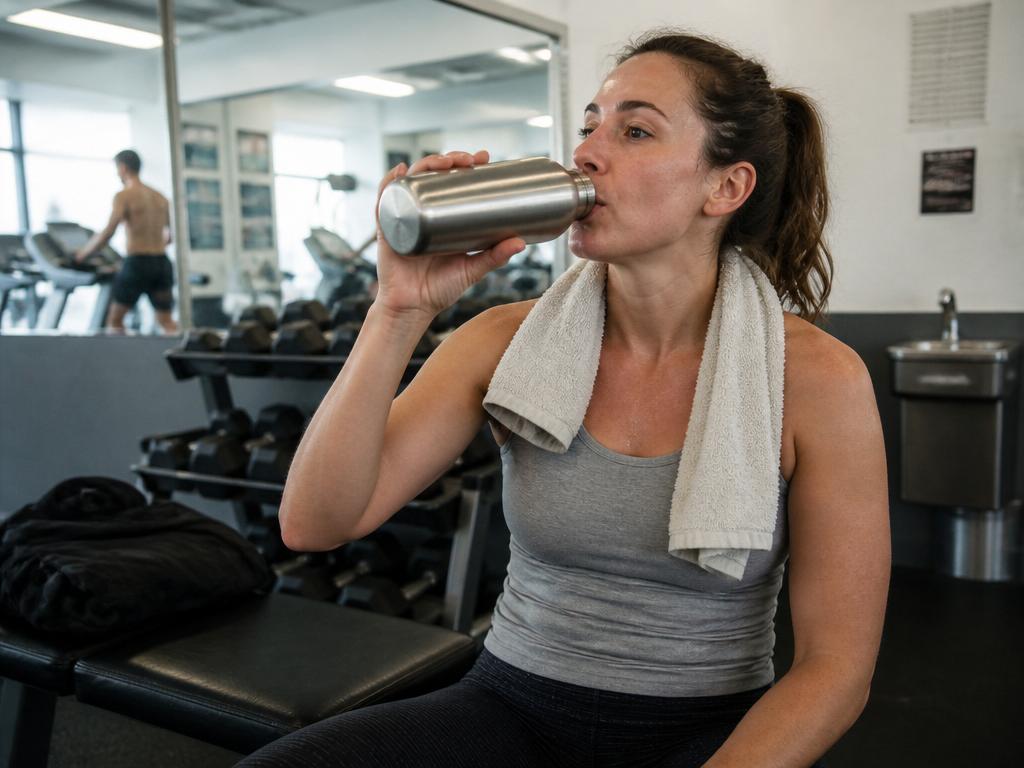
Electrolyte products are everywhere, and it is easy to assume every sweaty session demands one. For most short workouts, it does not. Here is a clear way to tell when plain water is plenty and when sodium genuinely earns its place.
The rough one-hour rule of thumb
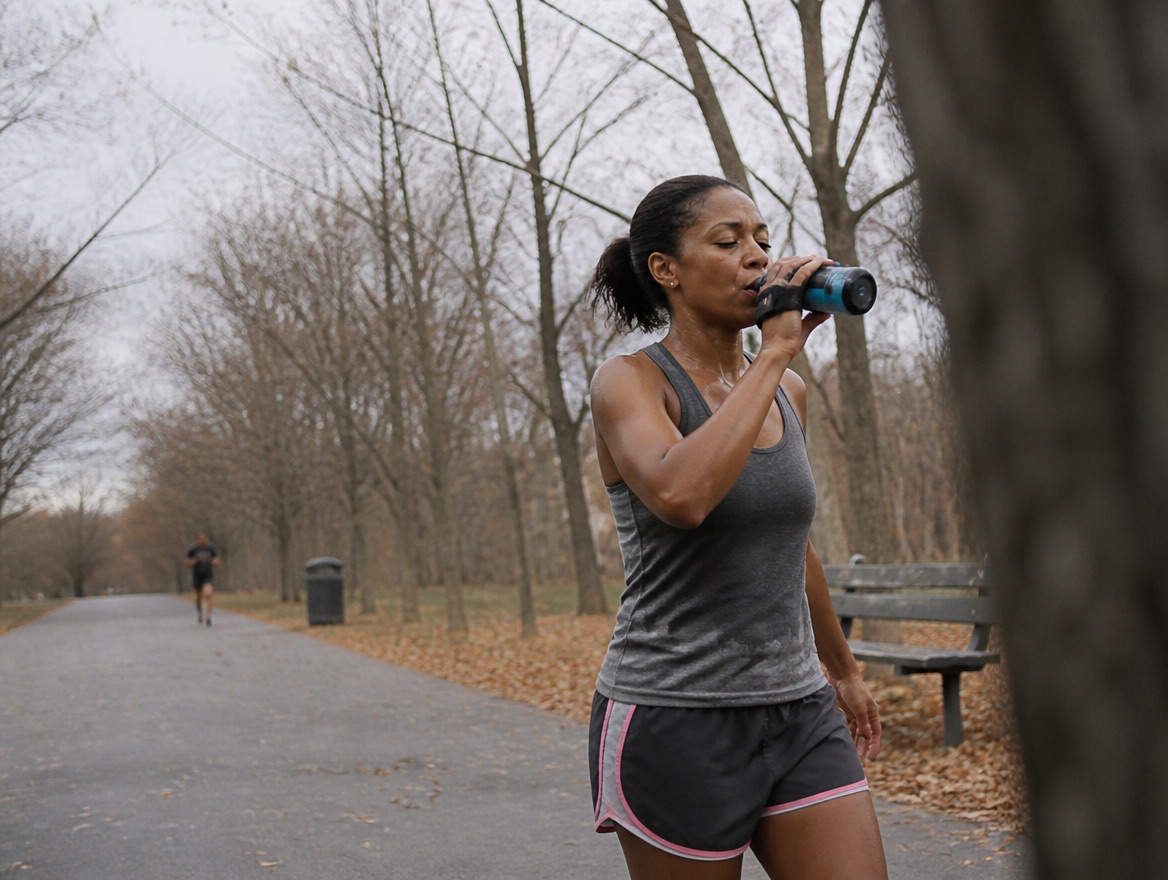
A widely used guideline in sports nutrition is that for exercise lasting roughly an hour or less, plain water is usually all you need. The reasoning is that over a short session in ordinary conditions, the fluid and salt you lose are modest, and your next normal meal easily replaces them.
What sits behind the rule of thumb:
- Sodium losses are small over a short, moderate session. You sweat, but not for long enough to run a meaningful deficit in most cases.
- Food does the topping-up. A regular meal afterward supplies sodium, potassium, and the rest without any special drink.
- Your body has reserves. Healthy bodies buffer ordinary, short-term swings perfectly well.
So for a brisk 45-minute class, a steady jog, or a typical gym session, reaching for an electrolyte mix is generally unnecessary. Water to thirst, then a normal meal, covers it. The rule is a rule of thumb, though, not a hard line — conditions can move it.
Heat, humidity, and salty sweaters
The one-hour guideline assumes fairly ordinary circumstances. Push the conditions, and the case for sodium strengthens even within a shorter session.
Situations that tip the balance:
- Heat and humidity. Warm, sticky conditions drive much heavier sweating, so you can lose meaningfully more fluid and salt in the same hour.
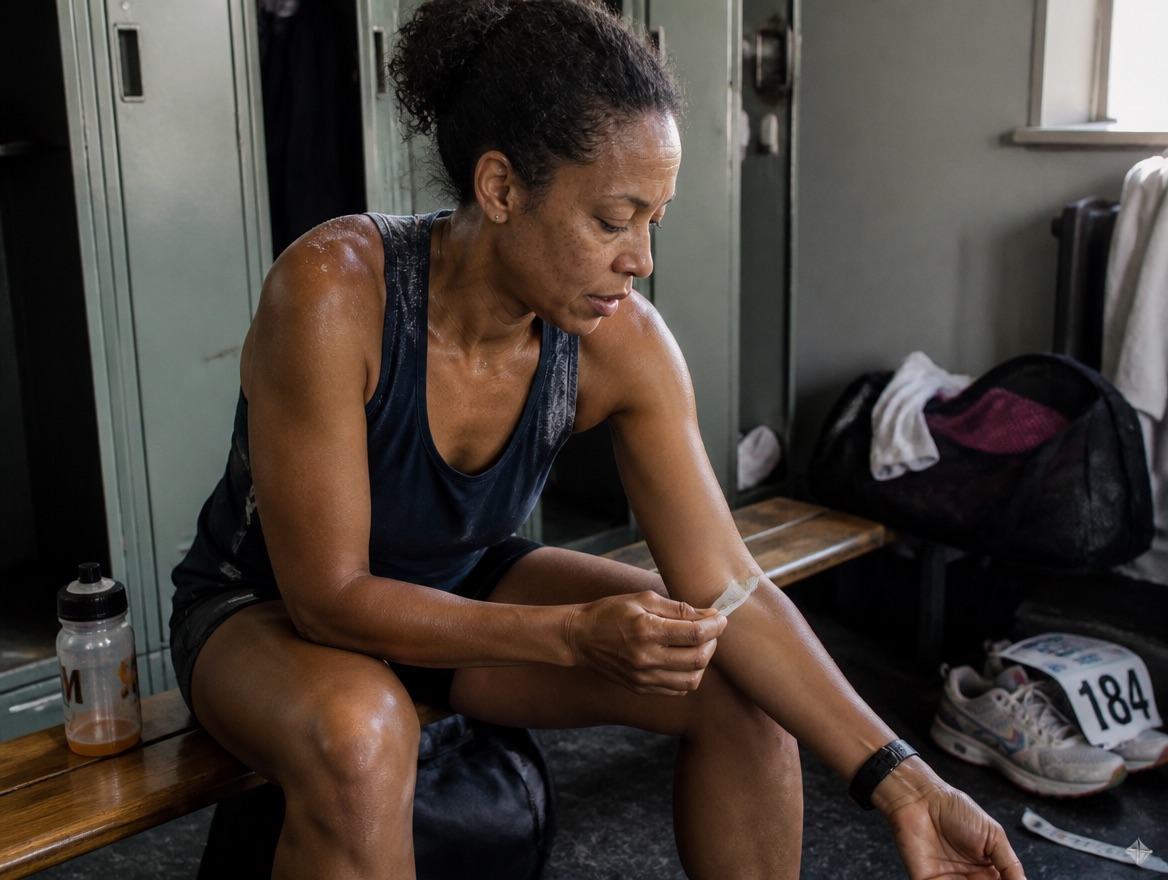
- “Salty sweaters.” Some people lose notably more sodium in their sweat — you might notice gritty, white salt marks on skin or clothing, or a stinging-in-the-eyes saltiness. If that is you, electrolytes make sense sooner.
- Stacked or repeated sessions. Training hard twice in a day, or day after day in the heat, compounds losses that a single short workout would not.
- Very high intensity. An all-out hour can cost more than an easy one.
For women, it is worth noting that how you experience heat and exertion can shift across the cycle, so your sense of how hard you are sweating may vary. None of this overturns the basic rule — it just means reading your conditions and your own sweat, not applying the guideline blindly.
Avoiding over-supplementing
The flip side of electrolyte marketing is real: it is easy to take more than you need, reaching for a mix out of habit for sessions that plainly do not require it. More electrolytes are not automatically better.
| Scenario | Sensible call |
|---|---|
| Short, moderate session, normal conditions | Plain water; food finishes the job |
| Hot, humid, or very intense hour | Water plus some sodium |
| Heavy “salty sweater” | Electrolytes sooner, even short sessions |
| Long or back-to-back efforts | A deliberate fluid-and-sodium plan |
A few principles for staying balanced:
- Match intake to the session. Save electrolytes for when losses actually justify them rather than defaulting to them.
- Let food do its job. For most short workouts, your meals are the electrolyte plan.
- Do not flood with plain water either. Over-drinking on a short session is unnecessary, and over a long one without sodium it carries its own risk.
- Check with your clinician if relevant. If you are pregnant or managing a health condition that affects sodium or fluids, get personalised guidance rather than following general rules.
The bottom line
For a typical hour-or-less workout in ordinary conditions, plain water plus a normal meal covers your needs — engineered electrolytes are usually overkill. The exceptions are heat, humidity, very high intensity, repeated sessions, and heavy “salty sweaters,” where adding sodium genuinely helps. Match what you take to what you actually lose, avoid the habit of over-supplementing, and tailor things with your clinician if pregnancy or a health condition is in the picture.