Hot Yoga, Hot Weather, and Replacing What You Sweat Out
High-sweat sessions raise the stakes: how to pre-load for heated classes, sip smartly during, and recognize the warning signs of heat stress.
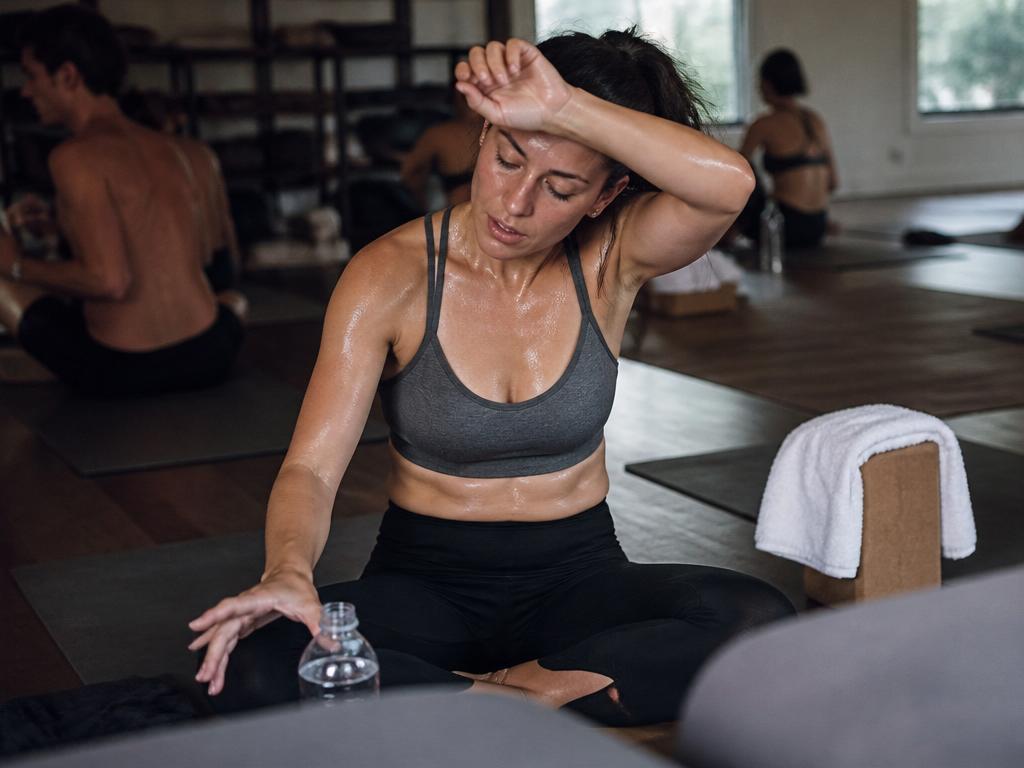
A heated room turns a gentle practice into a serious sweat session. The fluid pouring off you in hot yoga — or any workout in real heat — is a bigger loss than a normal class, and it deserves a bit of planning before, during, and after.
Pre-loading for heated sessions
“Pre-loading” sounds technical, but it just means arriving genuinely hydrated rather than trying to catch up once you are already dripping. In a hot room, you start losing fluid fast, so the margin you walk in with matters.
A sensible run-up:
- Hydrate across the day, not at the door. Steady fluids in the hours beforehand beat a frantic glass on the way in, which mostly leaves your stomach sloshing through downward dog.
- Check you are starting well. Pale-straw urine earlier in the day is a good reassurance you are arriving topped up.
- Mind morning sessions. After a night without fluids, ease in with a glass or two on waking before a heated class.
- Think about sodium if you sweat heavily or class is long. Because heated sessions can mean big sweat losses, some sodium intake — through food or fluids — helps you hold the water you take in.
The aim is balance, not a flood. Walking in well hydrated lets you spend the session topping up rather than digging out of a hole.
In-session sipping strategy
Inside a hot room, the challenge is replacing meaningful losses without overwhelming your stomach mid-flow. A few sips between poses, regularly, generally works better than gulping at the end.
Practical pointers:
- Sip little and often. Small, frequent mouthfuls are kinder to a working body than large volumes at once.
- Listen to thirst, but expect it to be real. In genuine heat, thirst is doing important work — honour it rather than toughing it out.
- Add sodium for the sweatiest, longest sessions. When you are losing a lot of salt as well as water, plain water alone is less effective at keeping you balanced; some electrolytes help.
- Do not over-drink either. The goal is to offset losses, not to pour down far more than you are sweating. Both extremes are uncomfortable.
For women, heat tolerance and how hard a heated session feels can shift across the cycle, so some days the same class will challenge you more than others. Adjust to how you actually feel rather than to a fixed plan.
Recognizing heat-stress warning signs
This is the part that matters most. Exercising hard in heat carries a real risk of heat-related illness, and knowing the early warning signs — so you can stop, cool down, and get help if needed — is more important than any sipping schedule.
| Pay attention to | What to do |
|---|---|
| Dizziness, lightheadedness, or feeling faint | Stop, get out of the heat, cool down, hydrate |
| Nausea, headache, or feeling unusually unwell | Ease off and exit the heated room |
| Heavy weakness, confusion, or stopping sweating | Treat as urgent and seek medical help |
| Cramping, clamminess, or a racing heart | Rest, cool, rehydrate; do not push on |
Some essential principles:
- When in doubt, stop. Pushing through dizziness or nausea in a hot room is not toughness; it is risk.
- Cooling matters as much as drinking. Getting out of the heat is part of the response, not just fluids.
- Severe symptoms are an emergency. Confusion, collapse, or stopping sweating in the heat warrant urgent medical attention, not another sip of water.
- Pregnancy and heat need extra care. Hot, heated exercise during pregnancy is specifically something to discuss with your own clinician before doing, as heat tolerance and safe limits differ.
The bottom line
Hot yoga and hot-weather training mean big sweat losses, so arrive genuinely hydrated, sip little and often through the session, and add some sodium when losses run high. Most important, learn the warning signs of heat stress — dizziness, nausea, weakness, confusion — and stop, cool down, and seek help when they appear. If you are pregnant, clear heated exercise with your clinician first; safe limits are not one-size-fits-all.