Hydration and Strength Training: Does It Affect Performance?
How even mild dehydration can dull a lifting session, practical ways to drink around your sets, and the signs you started a workout already short.
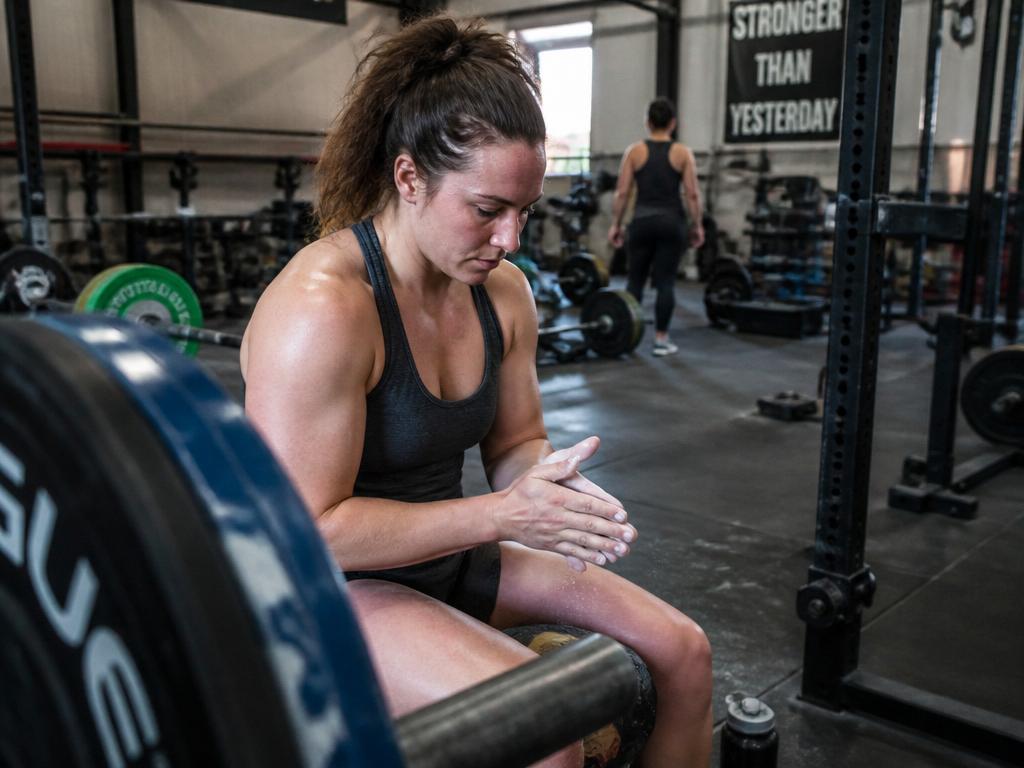
Hydration gets talked about endlessly for endurance sports and barely at all for the weight room. But fluid balance touches strength work too — and starting a session even mildly short can quietly take the edge off your lifts.
Fluid balance and muscular output
Your muscles do their job in a watery environment. Fluid is involved in how they contract, how nutrients reach them, and how your body manages the heat and effort of hard work. So it is not surprising that research generally suggests even modest dehydration can blunt physical performance — including the kind of output that matters when you are training with weights.
What this can look like in practice:
- Lifts that feel heavier than they should. A given weight can feel harder to move when you are running low on fluid.
- Fading faster across a session. You may find your later sets drop off more than usual.
- More perceived effort. The work can simply feel tougher, even at the same loads, when you are dehydrated.
A measured note: this is about supporting your training, not promising that a sip of water adds plates to your bar. The point is that being adequately hydrated lets you train closer to your real capacity, whereas turning up dehydrated tends to leave performance on the table. Strength work also rarely makes you sweat as much as a long run, so the issue is often about your overall hydration that day, not just what you drink between sets.
Practical drinking around sets
You do not need a hydration ritual for lifting. A relaxed, sensible approach fits naturally around a session.
Useful habits:
- Arrive hydrated. Most of the battle is having drunk reasonably across the day, so you start from a good baseline rather than catching up.
- Sip between sets to thirst. Strength sessions have built-in rest periods; a few mouthfuls during them is easy and usually enough.
- Scale up in the heat or for long sessions. A hot gym, a long workout, or a lot of accessory volume means more sweat and a bit more fluid — and, for heavy or prolonged work, some sodium.
- Let your post-workout meal finish the job. Normal food and drink afterward cover most recovery needs without anything special.
A guardrail worth keeping: this is replacement, not flooding. You do not need to force down large volumes during lifting, and a sloshing stomach under a heavy bar helps no one. Plain water to thirst handles most strength sessions; electrolytes come into play mainly when sessions are long, hot, or very sweaty.
Signs you started a session short
Sometimes the first clue you were dehydrated is the workout itself. Learning to read the signs helps you catch it — and fix it next time by drinking better earlier in the day.
| Possible sign | What it may suggest |
|---|---|
| Dark urine before training | You arrived behind on fluids |
| Thirst, dry mouth at the start | A baseline deficit to address |
| Feeling flat or low-energy | Mild dehydration among other causes |
| Lifts dragging unusually early | Fluid status worth checking |
| Headache or lightheadedness | A larger deficit; ease off and rehydrate |
A few honest caveats:
- These signs are not exclusive to dehydration. Poor sleep, under-eating, stress, and ordinary bad days can all flatten a session too. Fluid is one suspect, not the only one.
- The fix is upstream. If you keep arriving short, the answer is drinking more steadily across the day, not chugging mid-workout.
- Mind your cycle and your context. How a session feels can shift across the cycle, so do not read every off day as a hydration failure.
- Personalise if needed. If you are pregnant or managing a health condition, set your training-hydration approach with your own clinician.
The bottom line
Even mild dehydration can make lifts feel heavier, sap your later sets, and raise how hard a session feels, so hydration matters for strength work even though lifting sweats you less than endurance training. Arrive well hydrated, sip to thirst between sets, scale up for heat or long sessions, and let a normal meal handle recovery. Treat flat sessions as a prompt to drink better earlier in the day — and personalise with your clinician if pregnancy or a health condition applies.