How Much to Drink Before, During, and After a Workout
A simple, sex-aware framework for fluids around training: topping up beforehand, replacing sweat during effort, and the rehydration math afterward.
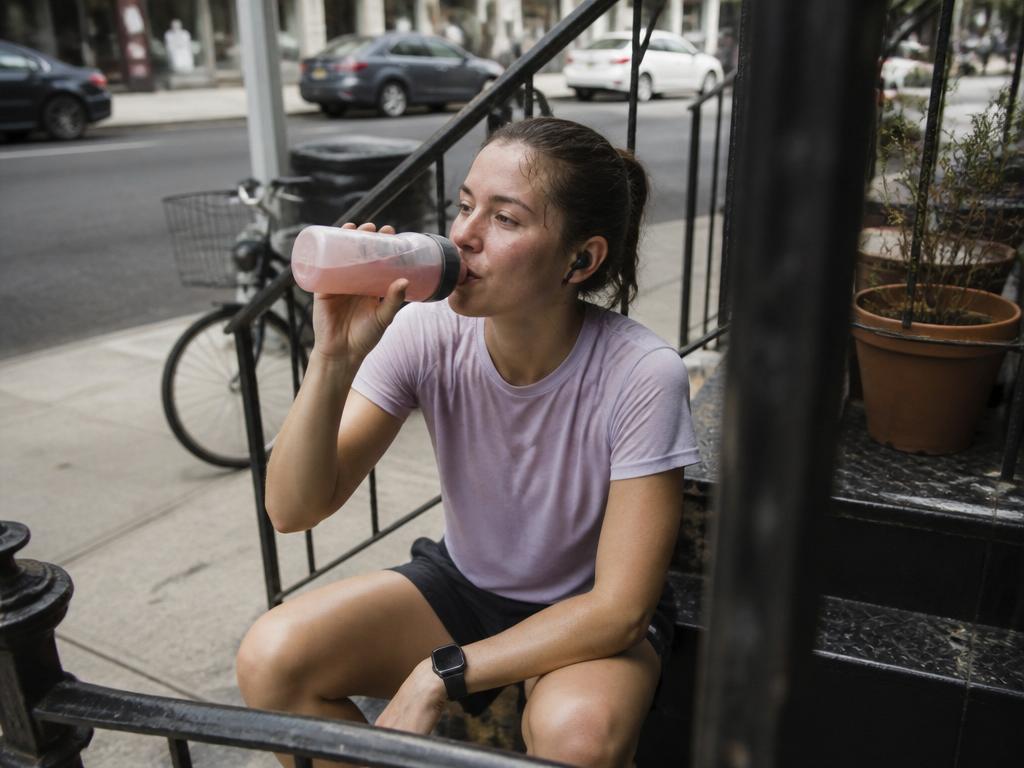
Hydration around a workout does not need a spreadsheet. It needs a simple rhythm — arrive topped up, sip to replace what you sweat, and refill afterward — adjusted for how hard, how hot, and how long you are going.
Pre-session topping up
The goal before training is to start in a good place, not to chug a litre at the door. If you have been drinking normally through the day, you are likely most of the way there already. Topping up is about a sensible margin, not panic-loading.
A relaxed approach:
- Drink steadily in the hours beforehand rather than gulping right before you start, which mostly leads to a sloshing stomach.
- Use the bathroom and check your urine. Pale straw earlier in the day is a reassuring sign you are arriving hydrated.
- Do not overdo it. Forcing down large volumes just before exercise is uncomfortable and unnecessary. You cannot meaningfully “bank” water beyond what your body holds.
If you are exercising first thing in the morning, remember you have gone all night without fluids — a glass or two on waking helps you begin from a better baseline, especially after a hot, sweaty night.
Replacing sweat during effort
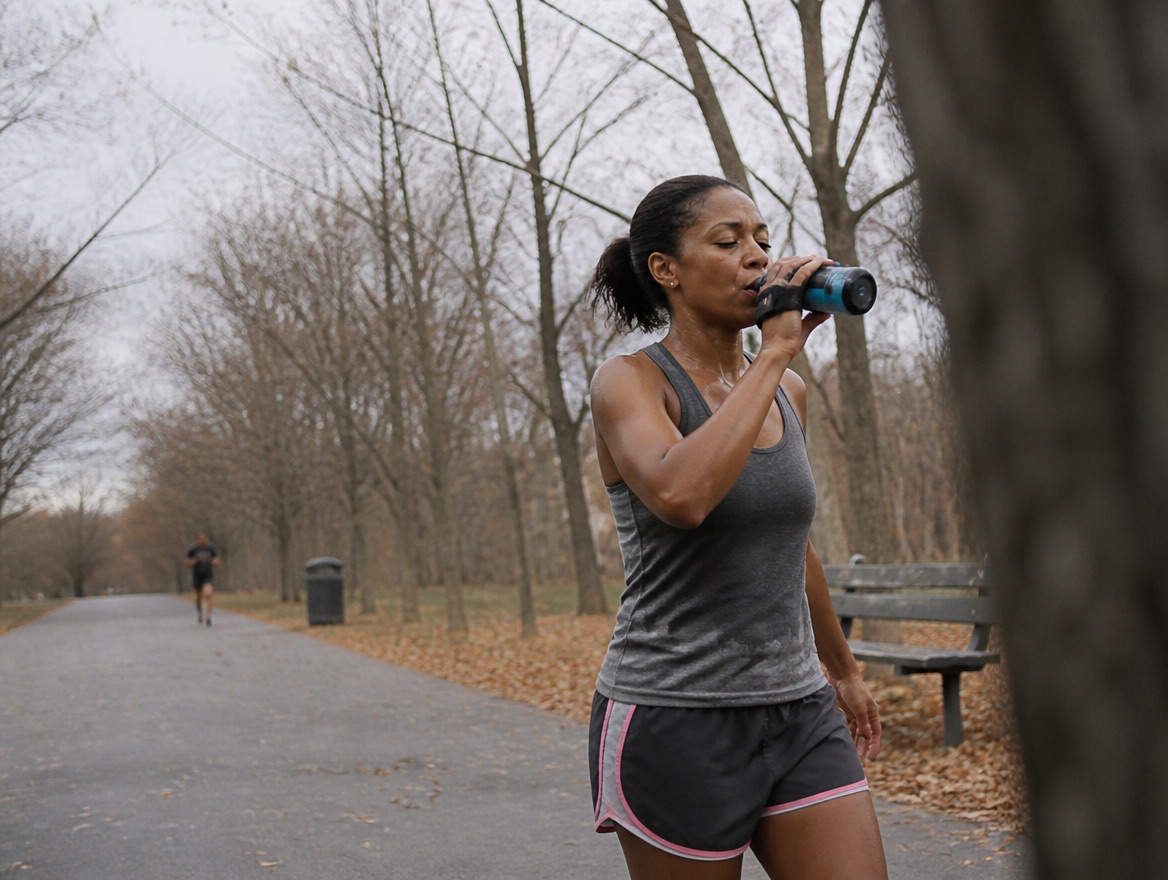
During exercise, the aim is to offset some of what you are losing to sweat without overcomplicating it or overdoing it. How much you need depends heavily on duration, intensity, and conditions.
A practical hierarchy:
- Short, easy sessions (roughly up to an hour): plain water to thirst usually covers it. You do not need anything engineered for a brisk class or a steady jog.
- Longer or harder sessions, or hot conditions: sip more regularly, and this is where replacing some sodium alongside fluid starts to matter, because you lose salt as well as water in sweat.
- Very long or very sweaty efforts: a more deliberate fluid-and-electrolyte plan makes sense, ideally one you have tested in training rather than improvising on the day.
Two guardrails worth holding:
- Drink to thirst as your default. For most people and most sessions, thirst keeps you in the right zone without measuring.
- Avoid the extremes. Neither bone-dry nor waterlogged is good. Pouring down large volumes of plain water over many hours, while losing sodium, is the scenario that gets endurance athletes into trouble.
Post-workout rehydration math
After training, you replace the fluid you came up short on — but the goal is to refill, not to flood. Because you usually finish a session at a small fluid deficit, the smart move is to drink steadily over the following hour or two rather than downing everything at once.
| Situation | Rehydration approach |
|---|---|
| Short, light session | Drink to thirst; normal meals finish the job |
| Long or sweaty session | Replace fluid steadily; include some sodium |
| Back-to-back sessions or hot day | Be more deliberate; sip across the recovery window |
A few finishing notes:
- Food is part of recovery hydration. A normal post-workout meal supplies fluid, sodium, potassium, and the rest — you do not need to do it all through a bottle.
- Sex-aware, not sex-anxious. Women are not built to follow a wildly different protocol, but body size, sweat rate, and where you are in your cycle can all shift your needs day to day. Get to know your own pattern.
- Pregnancy and health conditions change the rules. If either applies to you, exercise hydration is worth tailoring with your own clinician rather than following a generic plan.
The bottom line
Workout hydration comes down to a simple rhythm: arrive topped up by drinking steadily beforehand, sip to thirst during shorter sessions while adding sodium for long or sweaty ones, and refill gradually afterward with help from a normal meal. Default to thirst, avoid both extremes, learn your own sweat and cycle patterns, and — if you are pregnant or managing a health condition — set your plan with your clinician.